
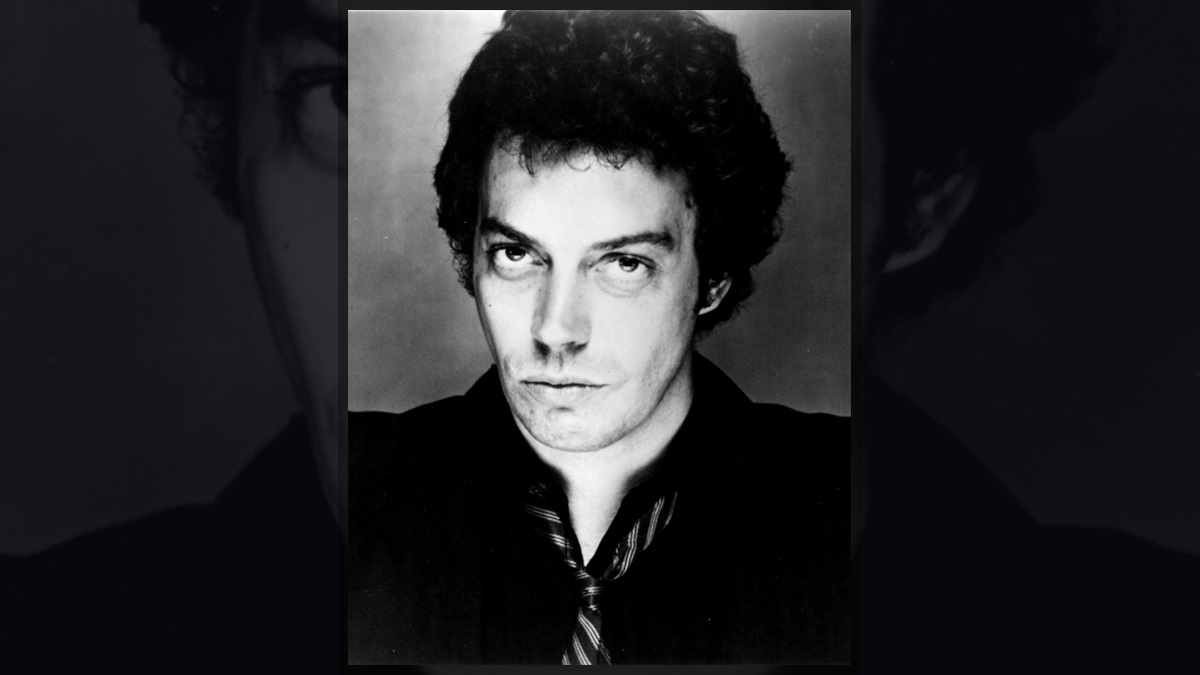
To examine the career of tim curry is to witness the evolution of a theatrical shapeshifter whose technical mastery redefined the boundaries of character performance. Whether submerged beneath layers of heavy latex or commanding a stage with little more than a arched eyebrow, he remains a titan of modern drama.
The Rise of an Unconventional Talent
Born in Grappenhall, Cheshire, in 1946, the young Curry was a prodigious student of the arts, graduating from the University of Birmingham with combined honors in English and Drama. His professional ascent was marked by a magnetic screen presence that caught the eye of London’s avant-garde directors. His debut in the original 1968 London West End production of Hair served as the crucible for his burgeoning career. It was here that he discarded the constraints of traditional leading-man archetypes, opting instead for a brand of unhinged, high-velocity performance art. His early years were defined by this refusal to settle into domestic roles, preferring instead to channel the manic energy of a burgeoning counterculture that sought to dismantle the polite veneer of British theater.
Tim Curry and the Legacy of The Rocky Horror Picture Show
Curry’s portrayal of Dr. Frank-N-Furter began at the Royal Court Theatre, but its migration to the 1975 silver screen birthed a genre unto itself. Bringing the “Sweet Transvestite” from the stage to celluloid, Curry orchestrated a performance of such sexualized bravado and camp sincerity that it fundamentally altered the midnight-movie landscape. He didn’t just play a character; he acted as the ringmaster for a revolution, delivering anthems with a guttural, operatic intensity that transformed the viewer from a passive observer into a participatory congregant. The role remains the definitive blueprint for subversive queer iconography in film, proving that a performance, if delivered with enough conviction, can anchor an entire subculture for decades.
Tim Curry as Pennywise: The Definitive Terror of Stephen King's IT
The 1990 television miniseries IT serves as a masterclass in psychological horror, largely due to Curry’s refusal to rely on the crutch of computer-generated imagery. As the interdimensional predator Pennywise the Dancing Clown, Curry utilized his physicality to manifest dread out of thin air. His gravelly, shifting vocal registers—oscillating between playful, high-pitched whimsy and a subterranean, predatory snarl—demonstrated an anatomical control that is rarely seen in television acting. By focusing on the uncanny nature of the human face rather than digital trickery, he etched the terror of childhood trauma into the cultural consciousness, turning a simple clown suit into a symbol of pure, unadulterated nightmare fuel.
Tim Curry in Clue and Muppet Treasure Island: Master of Wit
Curry’s dexterity as a physical comedian found its ultimate laboratory in the 1985 ensemble farce Clue. As Wadsworth the butler, he navigated the chaotic, claustrophobic hallways of Hill House with the precision of a ballet dancer, culminating in a breathless, multi-ending sequence that required Herculean energy. He possessed the rare ability to command a room filled with comedic icons while remaining the primary engine of the film’s momentum. This penchant for theatrical, heightened reality translated perfectly into his role as Long John Silver in 1996’s Muppet Treasure Island. He treated the Muppets with the same gravity as Shakespearean puppets, delivering a swashbuckling, menacing, yet oddly endearing performance that remains a hallmark of family-friendly cinematic villainy.

Mythic Transformation: The Lord of Darkness in Legend
In Ridley Scott’s 1985 dark fantasy Legend, Tim Curry underwent a metamorphosis so complete that his own mother would have struggled to recognize him. Adorned in Rob Bottin’s groundbreaking practical prosthetics, he portrayed the Lord of Darkness as a creature of immense, brooding majesty. Despite being buried under pounds of red latex and towering horns, Curry’s eyes and voice remained the focal point, imbuing the devil with a sophisticated, world-weary arrogance. This role, paired with his turn as the calculating Dr. Petrov in The Hunt for Red October, underscored his incredible range: he was equally capable of disappearing into a mythological monster or standing toe-to-toe with Sean Connery in a high-stakes Cold War thriller.
Broadway Triumphs and Voice Acting Royalty
The theatrical legacy of Tim Curry extends far beyond film, punctuated by his Tony-nominated brilliance. His portrayal of Wolfgang Amadeus Mozart in Amadeus showcased a vulnerability and explosive brilliance that earned him critical adoration. Similarly, his turn as King Arthur in Monty Python's Spamalot highlighted his impeccable comedic timing and commitment to the absurdity of the material. Beyond the stage, his voice has become a cornerstone of animated media. Whether voicing the neurotic, bumbling Nigel Thornberry in The Wild Thornberrys or the sinister, droll Captain Hook in various adaptations, he proved that his performative charisma was not dependent on the physical frame alone, becoming a beloved staple for generations of animation fans.
Resilience, Recovery, and Artistic Legacy
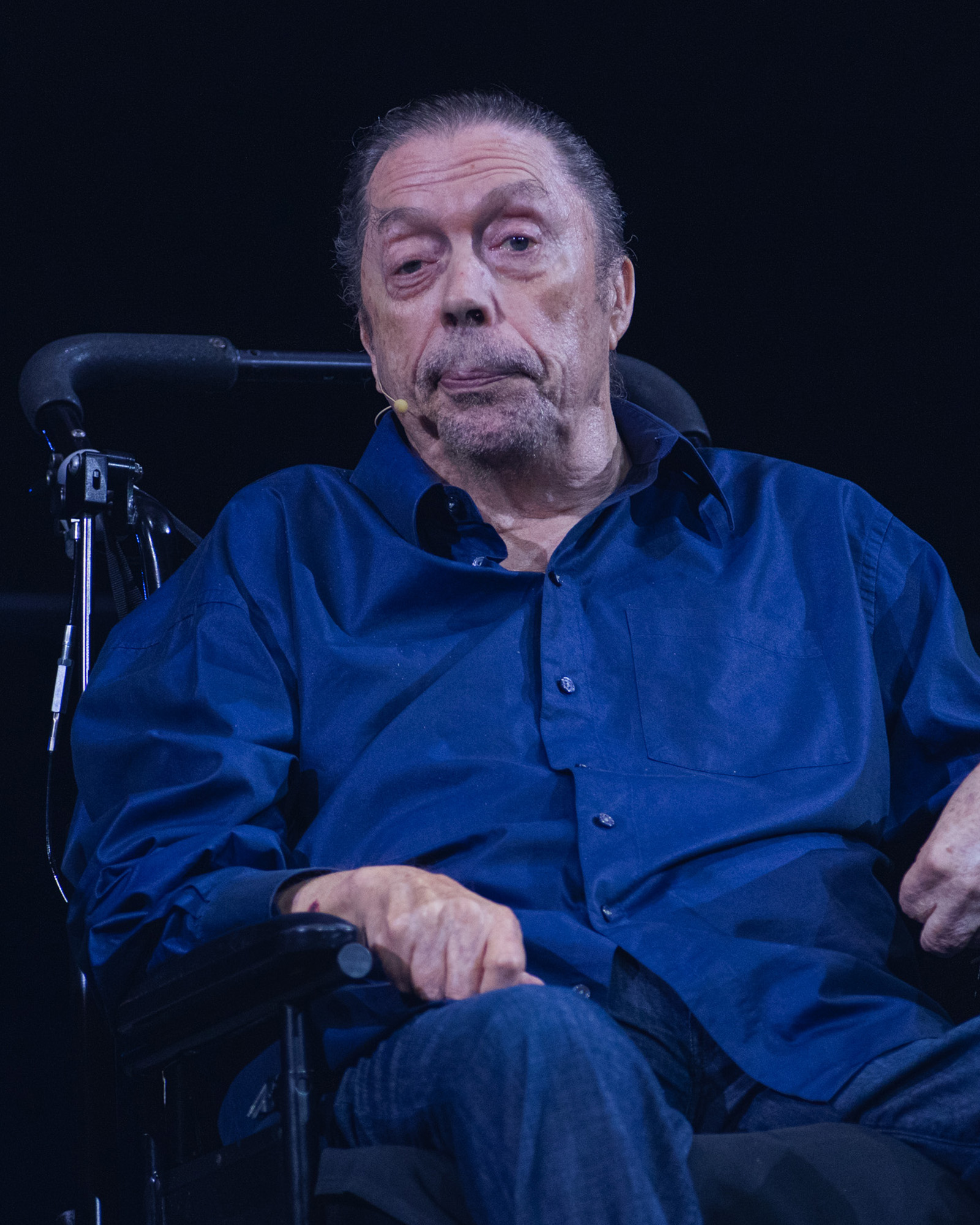
Following a severe stroke in 2012, the life of Tim Curry took an unexpected turn, yet his engagement with the arts remained steadfast. His recovery has been marked by a profound grace, as he continued his contribution to voice acting and maintained a regular, highly anticipated presence at fan conventions. Even from a wheelchair, his wit remains as razor-sharp as ever, serving as a beacon of resilience for his global following. In 2015, he received the Actors Fund Lifetime Achievement Award, a testament to a career defined by fearless experimentation. He did not merely participate in the entertainment industry; he shaped it, consistently choosing roles that challenged norms and delighted audiences with a singular, irrepressible spirit.
Frequently Asked Questions
Did Tim Curry provide his own singing for Dr. Frank-N-Furter?
Yes, he performed all of his songs in The Rocky Horror Picture Show, bringing his specific stage-trained vocal prowess to the film's iconic soundtrack.
What was his most challenging physical role?
The Lord of Darkness in Legend was arguably his most physically demanding, as he spent hours daily under intense prosthetics while wearing a suit that significantly restricted his movement.
Has he ever appeared on stage in a non-musical capacity?
Yes, he gained significant acclaim for his non-musical performances, most notably his intense, complex portrayal of Mozart in the Broadway production of Amadeus.
Did his stroke end his professional acting career?
While the stroke limited his physical movement, he continued to act through voice-over work, narration, and appearances in media projects.
Why is he considered a legend in voice acting?
He is revered for his ability to transform his distinctive, textured voice into vastly different characters, ranging from the frantic Nigel Thornberry to the menacing Captain Hook.


