
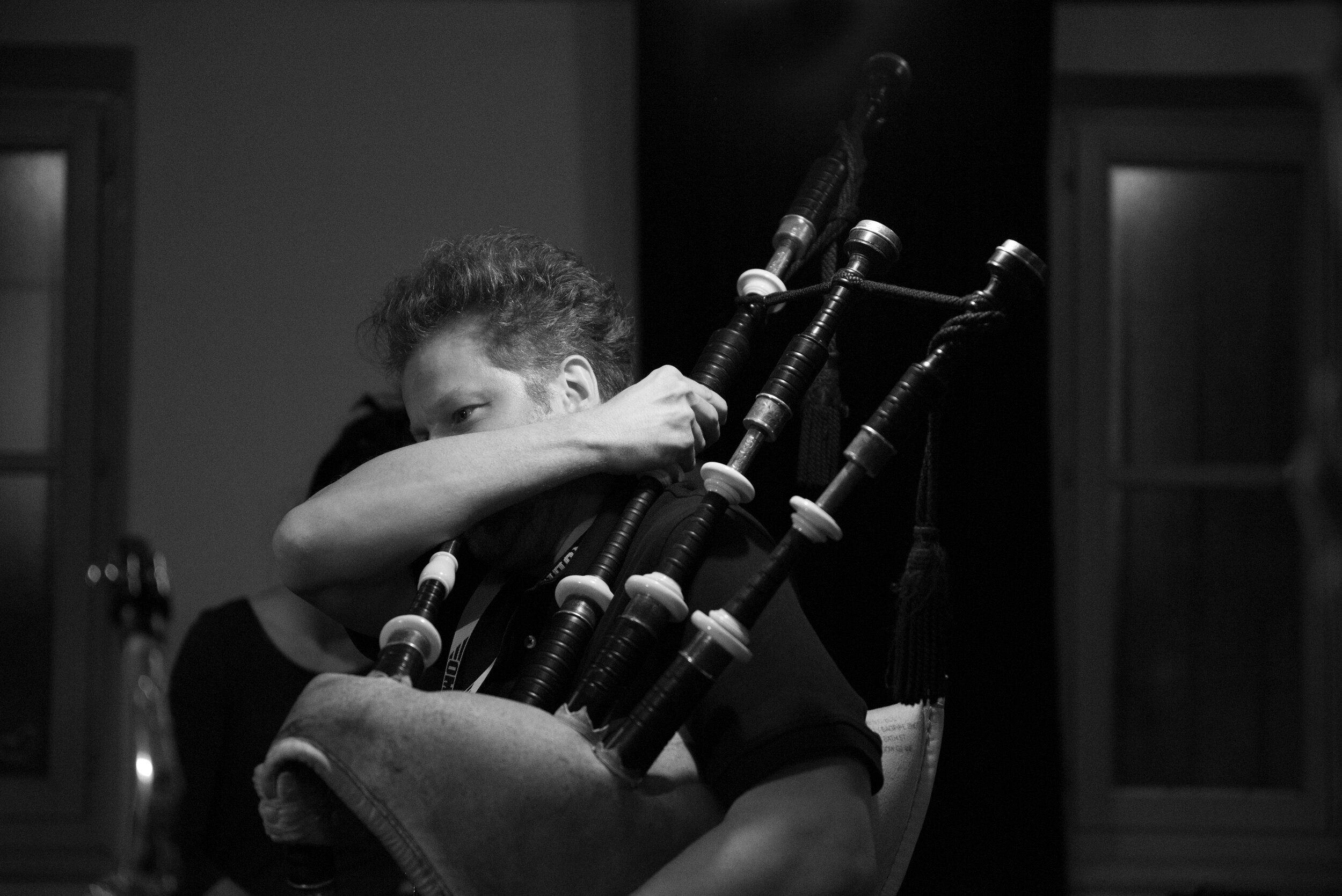
The modern classical music landscape is constantly shifting, but few artists have challenged traditional structures quite like matthew welch. As an acclaimed composer, multi instrumentalist, and bagpipe virtuoso, Welch has spent decades bridging the gap between ancient Scottish folk traditions and the demanding world of New York avant garde composition. His work defies easy categorization, weaving complex acoustic drones with minimalist classical arrangements.
To understand his impact on the musical community, one must look past the conventional boundaries of orchestral performance. Welch has transformed the great Highland bagpipe, an instrument often relegated to military parades, into a highly expressive tool for modern sound design. His fearless approach to instrumentation has earned him a dedicated following among music critics and experimental art lovers around the world.
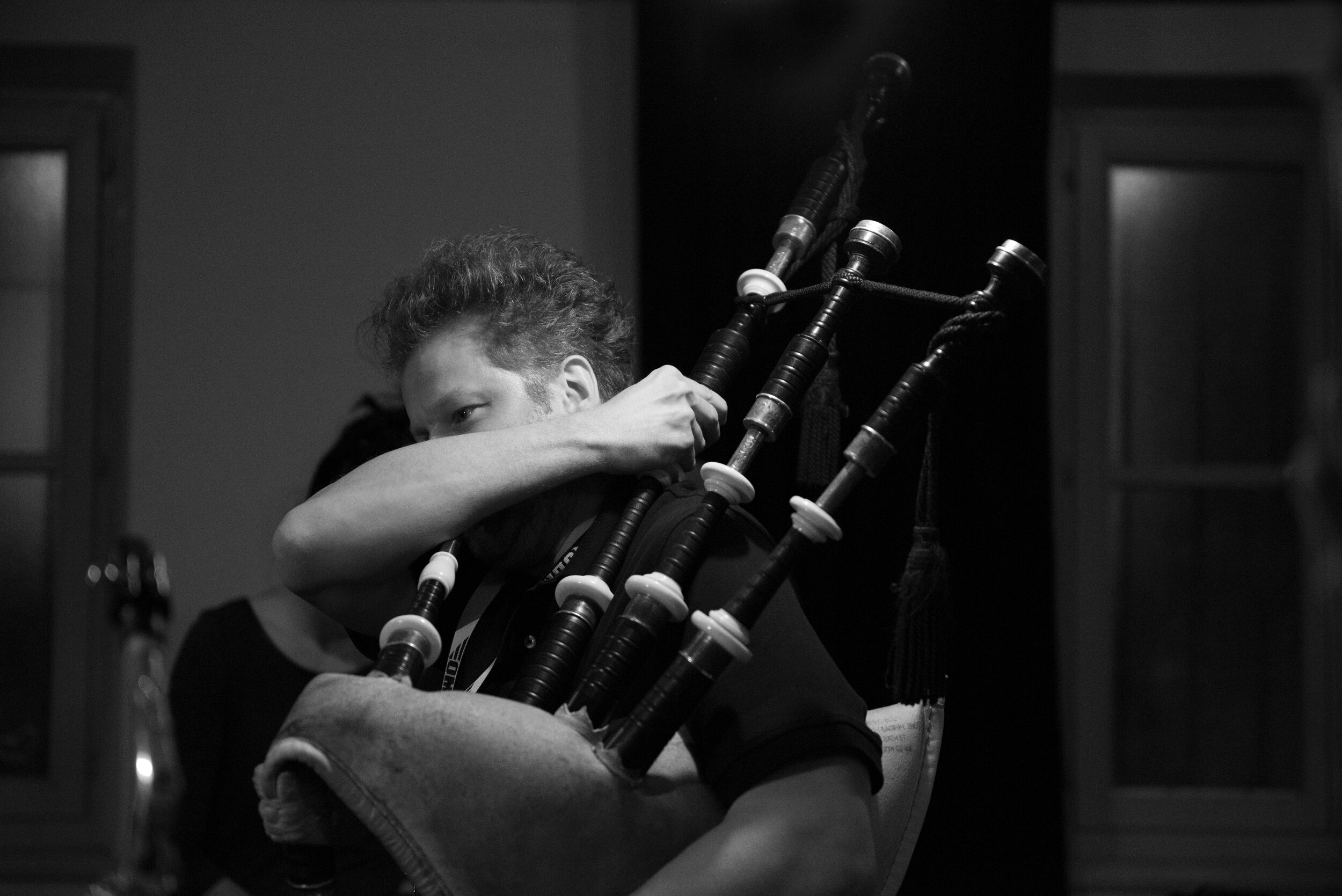
The Radical Origins of an Avant Garde Composer
Long before he became a household name in experimental music circles, Welch was captivated by the raw acoustic power of wind instruments. Born with a natural inclination toward complex rhythms, he pursued rigorous academic training to master both the technical and historical aspects of composition. He studied under legendary figures in the modern classical movement, learning how to deconstruct traditional melodies and rebuild them using microtonal scales.
This solid educational foundation allowed him to approach his chosen instrument with intellectual depth. Rather than simply playing traditional reels and jigs, he began questioning the physics of the bagpipe itself, exploring how its continuous drone could interact with unique acoustic spaces. This early period of intense experimentation laid the groundwork for his future masterpieces, establishing him as a composer who was not afraid to challenge conventional musical boundaries.
Bridging Traditional Scottish Folk and Modern Minimalism
One of the most fascinating aspects of his work is how he honors the deep history of Celtic piping while simultaneously subverting it. Traditional bagpipe music relies on strict ornamentation and repetitive phrasing, which Welch masterfully dissects. By applying the principles of minimalism, he transforms simple folk motifs into sprawling, hypnotic soundscapes that challenge the listener's perception of time and rhythm.
This unique fusion has made his concerts a popular destination for international cultural travelers. In fact, many avant garde music lovers find themselves planning a trip to historic performance spaces just to experience the physical power of his live bagpipe ensembles. His ability to merge historical storytelling with modern abstract art ensures that every performance feels both ancient and incredibly futuristic.
Key Compositions and Definitive Discography
To appreciate the genius of this artist, one must dive into his extensive catalog of recorded works. Albums like 'Dream Tigers' and 'The Pitch' showcase his ability to write for diverse ensembles, combining bagpipes with string quartets, percussion, and traditional Asian instruments. These recordings demonstrate a profound understanding of global music traditions, proving that his creative vision extends far beyond his Scottish heritage.
Each album functions as a cohesive sonic journey, requiring active listening and an open mind. He constructs his pieces with architectural precision, building slow layers of harmony that culminate in massive walls of sound. For listeners who are more accustomed to standard popular music, his compositions offer a challenging but immensely rewarding alternative that expands the definition of what music can achieve.
Collaborative Synergy and Global Performances
Welch has never been an artist who works in complete isolation. Throughout his career, he has collaborated with a diverse array of improvisers, dancers, and theatre directors to create multimedia art experiences. These collaborative projects often push him outside of his comfort zone, forcing him to adapt his bagpipe playing to dynamic theatrical narratives and modern dance choreography.
His ensemble, Blarvuster, serves as the primary vehicle for his collaborative experiments. Blarvuster brings together musicians from jazz, classical, and rock backgrounds to perform Welch's highly demanding scores. By blending the raw energy of a rock band with the intellectual rigor of a chamber orchestra, the ensemble delivers high energy performances that shatter the boundaries between high art and popular culture, much like the modern artistic crossovers explored in our profile on Finn Wolfhard's cinema and musical journey.
Digital Innovation and Modern Performance Technology
While his primary instrument remains resolutely acoustic, Welch has never shied away from using modern technology to enhance his creative process. In the studio and on stage, digital tools play an important role in organizing his complex compositions. Some of his close collaborators use advanced audio workstations to process the live signal of his bagpipes in real time, adding subtle delay effects and spatial processing that elevate the acoustic performance.
This seamless integration of technology mirrors sophisticated acoustic engineering. By coordinating acoustic drones, digital processing, and live musicians, Welch creates a perfectly synchronized sonic environment that echoes the versatility seen across premier performing arts. This forward thinking approach ensures that his music remains highly relevant in our rapidly evolving digital culture.
Career Highlights and Industry Challenges
Analyzing the trajectory of such a unique career reveals both remarkable achievements and significant professional obstacles. On the positive side, Welch has successfully elevated an instrument that is rarely taken seriously in contemporary classical circles, earning critical acclaim and securing grants to fund his ambitious projects. His work has opened doors for a new generation of instrumentalists who want to explore unconventional sounds.
However, championing such niche music comes with inherent industry challenges. The market for avant garde bagpipe compositions is naturally limited, making it difficult to secure wide distribution. Traveling internationally with delicate instruments can also be risky, making premium travel insurance an absolute necessity for touring musicians of his caliber. Despite these hurdles, his unwavering commitment to his artistic vision has cemented his status as a true pioneer.
Frequently Asked Questions About His Work
Navigating the complex catalog of an avant garde composer can raise questions for new listeners. Understanding the cultural background and technical setups behind these performances helps appreciate the music. Below are some of the most common questions about his career and musical style.
These answers provide a helpful starting point for anyone looking to explore this unique sonic world. Understanding his creative process will enrich your listening experience.
What instrument is Matthew Welch most famous for playing?
He is most famous for playing the great Highland bagpipe, which he uses in highly unconventional avant garde and modern classical contexts.
What is the name of his primary musical ensemble?
His primary performance group is called Blarvuster, an ensemble that blends classical, jazz, and rock elements to perform his complex musical scores.
Where did he receive his musical education?
He studied composition and performance at prestigious institutions, working under renowned experimental composers to refine his unique musical style.
Does he incorporate electronic music into his compositions?
Yes, while his bagpipes are acoustic, his performances often involve electronic elements processed on high performance laptops to create rich spatial soundscapes.
Is his music suitable for listeners new to avant garde music?
His music can be challenging for beginners, but those who appreciate deep listening and unique acoustic textures will find his catalog incredibly rewarding.


