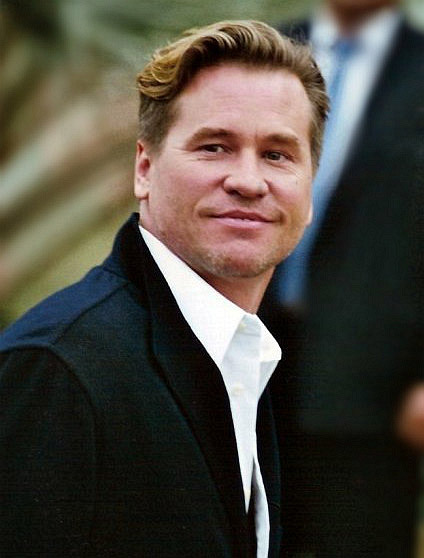
Few actors in modern cinema history have possessed the raw charisma, intense dedication, and chameleon like adaptability of val kilmer. From his explosive rise in eighties comedies to his immortalization as dramatic legends, he redefined what it meant to be a Hollywood leading man. His ability to completely dissolve into a wide variety of roles earned him universal acclaim from film critics and audiences around the globe.
Beyond the bright lights of movie premieres, his career represents a fascinating study in artistic devotion. Whether commanding the screen in massive action blockbusters or exploring deeply personal creative projects, his approach to the craft has consistently broken boundaries. Understanding his journey requires looking at his commitment to narrative depth, vocal precision, and emotional truth across decades of cinematic history.

Early Juilliard Roots and Breakthrough Roles
Before becoming a household name, he honed his craft through intense classical training. He gained admission to the prestigious Juilliard School drama division at an exceptionally young age, mastering classical theater, vocal control, and physical movement. This rigorous theatrical foundation allowed him to develop a sophisticated understanding of dramatic structure that would later elevate even the most straightforward commercial projects.
His feature film debut arrived in the spoof comedy Top Secret, where he showcased extraordinary comedic timing and impressive musical talent. Soon after, he starred in Real Genius, playing a brilliant physics prodigy. These early performances proved that he was far more than a conventional Hollywood heartthrob, demonstrating a quick wit and effortless screen presence that captivated moviegoers immediately.
Soaring to Stardom with Top Gun and The Doors
His mainstream breakthrough reached international heights when he portrayed the icy, ultra confident naval aviator Tom Iceman Kazansky in Top Gun. Standing toe to toe with major stars, he infused the character with immense swagger and understated psychological nuance. The rival dynamic on screen became legendary, cementing his place as an undeniable superstar in modern popular culture.

In Oliver Stone's biographical masterpiece The Doors, he delivered what many consider one of the greatest actor transformations in cinema history. To play rock icon Jim Morrison, he memorized every song, adopted the singer's posture, and sang all live vocal tracks himself. Film audiences and original band members alike were astonished by the eerie accuracy of his uncanny vocal and physical performance.
Legendary Performances in Tombstone and Heat
In the acclaimed Western Tombstone, he delivered a mesmerizing performance as the legendary gunfighter Doc Holliday. Flamboyant, tragic, and dangerously quick with a revolver, his portrayal dominated every scene. His memorable delivery of classic lines turned the film into a cult favorite, while proving his ability to bring deep emotional resonance to historical figures.
He followed this success with Michael Mann's crime epic Heat, starring alongside cinematic heavyweights. Playing Chris Shiherlis, he executed some of the most realistic tactical firefight sequences ever filmed. Many film sound directors and audio engineers suggest listening to these soundscapes using the best noise cancelling headphones to appreciate the absolute precision of the audio design during those iconic action scenes.
Wearing the Cape in Batman Forever
Taking over one of pop culture's most recognizable heroes, he suited up as Bruce Wayne in Batman Forever. He brought a quiet intensity and psychological complexity to the dark knight, exploring the internal trauma that drove the billionaire vigilante. His refined performance gave the colorful blockbuster a grounded dramatic anchor that resonated strongly with superhero fans worldwide.
Navigating a project of that magnitude required immense professional discipline amid intense studio pressure. Rather than letting the massive production submerge his acting style, he maintained a thoughtful, stoic approach. His time in Gotham City showcased his extraordinary ability to balance commercial expectations with refined artistic integrity.
Acting Philosophy and Artistic Legacy
Throughout his long career, his approach to acting remained fiercely independent and deeply philosophical. He documented thousands of hours of behind the scenes footage, capturing candid moments from sets, rehearsals, and personal travel. This lifelong habit demonstrated his commitment to viewing life as a continuous canvas of artistic creation rather than merely a series of corporate assignments.
Later in his career, he wrote, directed, and starred in a one man play about Mark Twain titled Citizen Twain. This passion project highlighted his love for classic literature and storytelling. Whether performing on live theater stages or painting in his studio, his commitment to authentic artistic expression has inspired generations of emerging actors and visual artists.
Health Challenges and Career Resilience
In recent years, he faced a severe health battle against throat cancer, undergoing procedures that dramatically altered his vocal cords. Despite losing his natural speaking voice, his creative spirit remained unbroken. He embraced advanced artificial intelligence technology to recreate his voice for film appearances, demonstrating remarkable resilience and adaptable strength in the face of immense personal adversity.
His deeply moving documentary, Val, brought his massive archive of home videos to light, captivating film lovers worldwide. Modern editors put together these rare recordings on a portable work laptop, crafting a intimate portrait of his life and art. The project highlighted his unwavering love for story telling, proving that true creative passion transcends physical limitations. Today, artists manage their multimedia creative assets using smart home devices and cloud platforms to archive legacy work seamlessly.
Career Highlights and Industry Challenges
Looking at his legacy reveals a extraordinary list of career highlights. His extreme versatility enabled him to excel in musical biopics, intense action thrillers, romantic comedies, and historical dramas. Film historians consistently praise his magnetic screen presence, impeccable vocal work, and fearless willingness to accept complex, flawed, and challenging characters across every decade of his career.
However, his uncompromising dedication to perfection occasionally led to industry friction during the peak of nineties studio filmmaking. Directorial clashes and intense on set preparation gave him a reputation for being demanding. Yet, this total commitment was never about vanity; it stemmed from a deep passion for delivering unforgettable, high quality cinematic art to audiences worldwide.
Frequently Asked Questions
What was the breakthrough movie for Val Kilmer?
His initial breakthrough occurred in the comedy Top Secret, followed shortly by Real Genius and his iconic role as Iceman in Top Gun.
Did Val Kilmer really sing in The Doors movie?
Yes, he sang all the musical tracks live during production, matching Jim Morrison so perfectly that the original band members could not distinguish their voices.
What is one of his most famous movie quotes?
His line as Doc Holliday in Tombstone, where he famously says I'm your huckleberry, remains one of the most celebrated quotes in cinema history.
How did he communicate in recent documentary projects?
He utilized custom artificial intelligence voice modeling technology built from thousands of hours of historical audio archives, alongside written notes and narration by his son.
Which drama school did he attend early in his career?
He attended the prestigious Juilliard School in New York City, becoming one of the youngest students ever admitted to their drama division at the time.