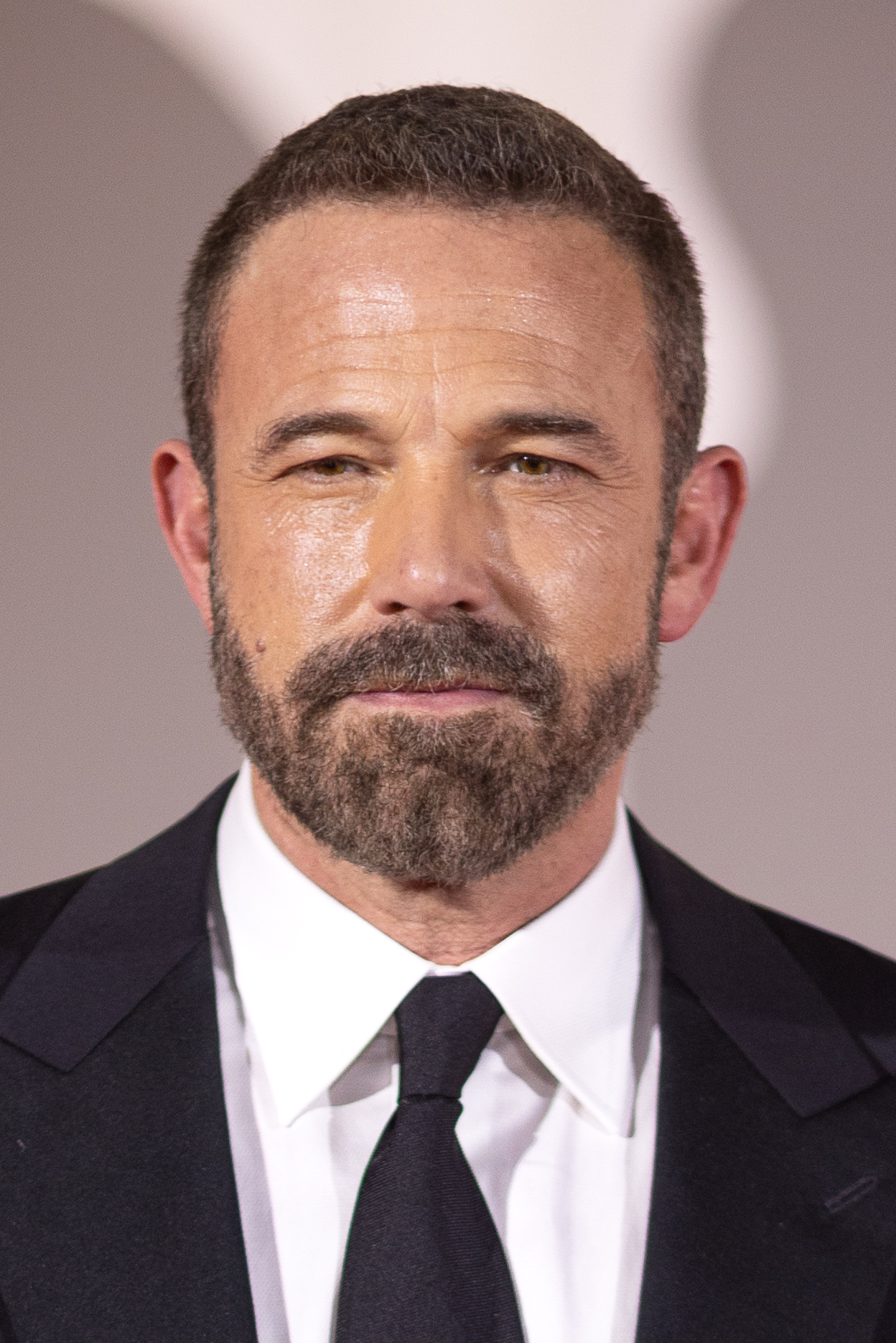
The journey of ben affleck in the entertainment industry is a masterclass in resilience and creative adaptation. Born in California and raised in Massachusetts, his early exposure to theater and local television laid the foundation for a profound understanding of storytelling. Unlike many child actors who fade away, he leveraged his experiences in independent films to build a bridge toward mainstream recognition. His path was not just about landing roles but about understanding the mechanics of a film set from every angle.
His breakthrough arrived when he collaborated with lifelong friend Matt Damon to pen the screenplay for Good Will Hunting. This project did more than launch their careers; it secured them an Academy Award for Best Original Screenplay. During this period, the young actor became a symbol of potential, proving that talent paired with genuine creative passion could break down the walls of the studio system. He balanced his time between auditions and writing, often utilizing his portable work laptop to refine scripts while on the move, proving his commitment to the craft.

Defining Moments in Blockbuster Cinema
Transitioning from critical darling to blockbuster star was a definitive phase for the actor. Projects like Armageddon and Pearl Harbor placed him at the center of the global spotlight, demanding a type of physicality and screen presence that defined the era of large scale spectacle. These roles were not just career stepping stones; they were rigorous training grounds for understanding how to lead a production with massive budgets and complex visual effects requirements.
While his commercial appeal soared, he maintained a focus on characters that required emotional depth. Even in high intensity action roles, he sought to bring a grounded human quality to his performance. Whether he was listening to scripts through wireless audio headphones during downtime or analyzing the pacing of a scene, he was always looking for ways to elevate the material beyond the standard action hero tropes. This period proved he could anchor any film regardless of genre or scope.
Transitioning into the Director Chair
Perhaps the most significant chapter in his professional life is his successful pivot to the role of director. With films like Gone Baby Gone, The Town, and the Academy Award winning Argo, he established a distinct directorial voice characterized by gritty realism and tight narrative tension. His approach involves a meticulous attention to detail, often drawing from his years observing legendary filmmakers on various sets throughout his early career.

Directing required him to master the integration of modern tools into his workflow. He frequently utilizes smart home technology to control his editing suites and screening rooms, ensuring that his creative environment is perfectly optimized for focus. By controlling both sides of the camera, he transformed his public persona from a leading man into a highly respected auteur who prioritizes character arcs and period authenticity above mere spectacle.
Career Highlights and Industry Challenges
His professional history is marked by soaring peaks and challenging valleys that have shaped his perspective on the industry. The highlights include winning two Academy Awards, multiple Golden Globes, and earning a reputation as a filmmaker who can deliver both critical acclaim and box office success. These achievements stand as proof that persistence and growth are vital for any long term career in the arts.
Conversely, he has faced intense media scrutiny and professional setbacks that would have sidelined less determined individuals. Navigating the pressures of being a public figure meant enduring relentless public speculation about his personal choices. However, he has consistently channeled these experiences back into his work, using the complexity of his personal life to inform the flawed, multidimensional characters he chooses to portray on screen, ultimately creating a more authentic body of work.
Acting Philosophy and Technique
The core of his acting philosophy revolves around an immersive approach that demands complete psychological commitment to the character. He views the script as a roadmap rather than a final destination, often encouraging collaborators to iterate on dialogue to ensure it feels natural and grounded. This collaborative spirit has earned him the loyalty of actors who appreciate his willingness to listen and his deep respect for the craft of performance.
His technique is often described as understated and internal. He avoids grand theatrical gestures, preferring instead to convey complex emotions through subtle expressions and intentional silence. By grounding his performances in reality, he ensures that the audience connects with the person behind the movie star facade. This commitment to truth remains his most enduring quality as an artist, regardless of the scale of the production he is currently leading.
The Cultural Legacy of a Modern Icon
Looking back at his influence, one cannot overlook how he helped redefine the archetype of the leading man in the modern era. He proved that an actor could be both a commercial draw and a serious creative force. His impact on contemporary cinema is felt in the way he champions original scripts and supports underrepresented voices in the industry. He has paved the way for other actors to take ownership of their careers through producing and writing.
Beyond his film work, his public journey has resonated with a generation that values vulnerability alongside professional success. By being open about the hurdles of life in the spotlight, he has shifted the conversation around fame and mental well being in Hollywood. His legacy is not just a collection of successful films, but a blueprint for how to evolve and thrive while operating under the constant scrutiny of the global media landscape.
Pros and Cons of His Career Trajectory
Pros: A highly versatile career spanning writing, acting, and directing. He has achieved the rare distinction of winning major industry awards in both creative and technical fields. His ability to build a long term career in a volatile industry is a testament to his intelligence and adaptability. He successfully reinvented his brand after various career fluctuations through hard work and focused creative efforts.
Cons: His public persona has often overshadowed his professional accomplishments, leading to a focus on tabloid narratives rather than his artistic merit. The pressure of balancing high profile projects with intense public attention has been a recurring struggle. Like many in his position, he has had to navigate the difficulty of maintaining creative integrity while satisfying the demands of massive studio investments and corporate stakeholders.
Frequently Asked Questions
What was the first movie that made the actor a household name?
While he appeared in several films earlier, his major breakthrough came with the film Good Will Hunting, which he co wrote and starred in alongside Matt Damon.
Has he ever won an Academy Award for his work as a director?
Yes, he won the Academy Award for Best Picture for the film Argo, which he directed and produced.
How does his approach to acting differ from other mainstream stars?
He is known for an understated and internal acting style, focusing on grounded realism and emotional authenticity rather than exaggerated dramatic gestures.
Does he continue to write scripts for his own film projects?
He frequently contributes to the screenplay and story development of his projects, maintaining a hands on approach to the creative process behind the scenes.
What is his primary focus in the current stage of his career?
His current focus is largely split between high quality acting roles, major directorial efforts, and producing films that challenge standard Hollywood narratives.