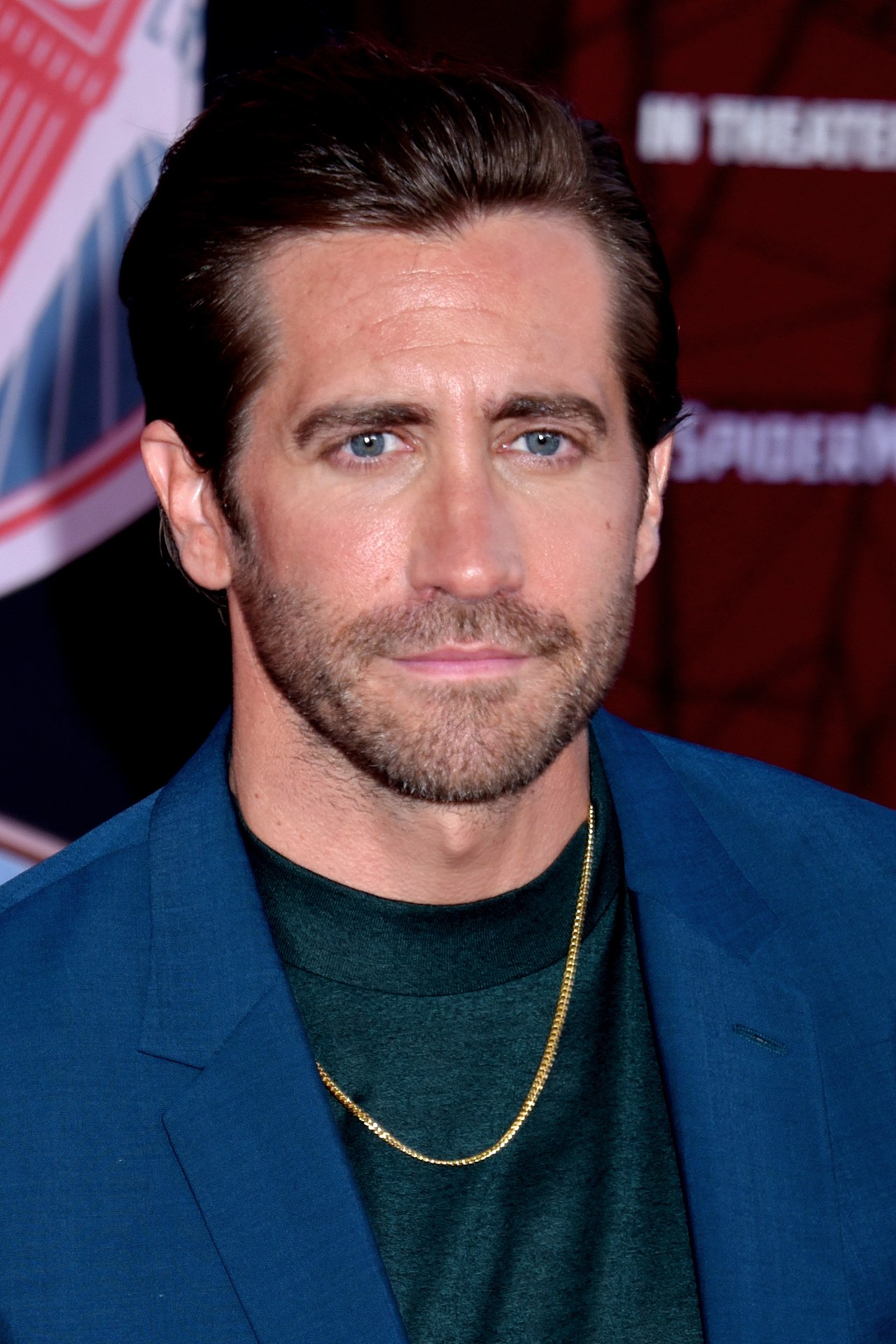
Born into a family deeply embedded in the cinematic arts, jake gyllenhaal emerged as a talent defined by nuance and intensity. Raised in Los Angeles by a film director father and a screenwriter mother, he was exposed to the mechanics of storytelling long before his professional debut. His early education at Harvard Westlake School, followed by his time at Columbia University, provided a balanced perspective between academic rigor and the practical demands of the entertainment industry. This upbringing instilled in him a profound respect for the craft of acting, ensuring that his choices were never merely commercial but rooted in a search for authentic human emotion.
His debut in the comedy City Slickers was brief, but it served as a gateway to more complex explorations of the human psyche. Unlike peers who sought fame through rapid fire blockbusters, he carefully selected roles that challenged his limitations. Throughout these formative years, his work was characterized by a distinct vulnerability that caught the attention of critics. He spent much of his downtime studying film history, often utilizing a sleek laptop to analyze legendary performances and technical editing techniques that would later influence his own screen presence during long flights or on set.

Breakthrough Moments and Indie Credibility
The cult classic Donnie Darko remains the definitive turning point in his career. Playing a troubled teenager with visions of a looming apocalypse, he showcased an eerie ability to anchor surreal narratives with grounded emotional gravity. The film was not an overnight box office smash, but its slow burn success established him as a darling of independent cinema. His performance was praised for its internal tension, a signature element that continues to define his work across various genres today.
Following this success, he ventured into more mainstream terrain with The Day After Tomorrow, proving he could command a large scale production. However, it was his role in Brokeback Mountain that cemented his standing as a serious dramatic actor. By depicting the complexity of forbidden love with profound tenderness, he earned critical acclaim and an Academy Award nomination. His ability to balance the demands of blockbuster filmmaking with the delicate requirements of indie projects created a blueprint for his sustained relevance in a volatile industry.
Exploring the Darker Side of Human Nature
His collaboration with director David Fincher on Zodiac showcased a different side of his range. Playing an obsessed cartoonist turned amateur detective, he portrayed the erosion of sanity through meticulous detail. The performance was haunting because it lacked the theatrical flourishes of his peers, relying instead on subtle micro expressions and physical exhaustion. This dedication to immersion often requires long hours of focus, during which he relies on noise cancelling headphones to maintain his concentration while on set or in transit between filming locations.

This appetite for dark, psychologically demanding roles continued with Nightcrawler. Transforming his physical appearance to reflect the predatory nature of his character, he delivered a terrifying study of greed and modern media ethics. It was an unapologetic dive into moral bankruptcy that forced audiences to confront the unsettling reality of fame and success. By choosing scripts that explore the shadows of the human experience, he ensures that his career remains unpredictable and artistically vital for those who value cinema as a mirror to our own flaws.
The Philosophy of Physical and Mental Transformation
Preparation is the cornerstone of his methodology. He treats every character as a total architectural project, rebuilding his voice, posture, and physical health to match the script. For roles that require extreme athletic prowess, such as his turn as a boxer in Southpaw, he undergoes months of rigorous training. This commitment is not for vanity but for the truth of the role, believing that physical limitations dictate emotional responses. When he steps into the ring, he is not playing a boxer; he is a man exhausted by the weight of his own struggle.
His mental preparation involves exhaustive research into the background of his subjects. He often engages in extensive interviews, historical reading, and personal observation of real life professionals. This level of dedication can be draining, yet he views it as a necessary exchange for the chance to inhabit different lives. He avoids the convenience of home automation or passive distractions during these periods, preferring to remain fully immersed in the headspace of the persona he is currently cultivating, which allows him to deliver performances of unparalleled realism.
Career Highlights and Industry Challenges
The trajectory of his career is marked by high reward and inevitable industry hurdles. His greatest strength remains his versatility; he transitions seamlessly from action heavy thrillers to intimate character studies. He has successfully avoided typecasting by constantly pivoting between genres, ensuring that his audience remains surprised by his next move. His ability to produce compelling content through his own production company has further empowered him to back projects that challenge the status quo and support emerging creative voices.
However, the life of an A list performer is fraught with scrutiny and the constant demand for reinvention. Maintaining privacy while navigating the global spotlight requires a delicate balance of public engagement and necessary withdrawal. The challenge lies in staying relevant without sacrificing his creative integrity to the trends of social media or seasonal fads. He faces the perpetual pressure of the box office versus the artistic merits of a script, a conflict that defines the career of every major Hollywood actor striving for longevity in a shifting market.
The Legacy of His Stage Performances
Many forget that his artistic home is as much the stage as it is the screen. His Broadway performances, including his Tony nominated turn in Sea Wall/A Life, demonstrated his range in a live setting. Theatre demands a specific kind of stamina and focus that film does not allow; there are no second takes, no editing rooms to save a performance. He thrives in this environment, using the proximity to the audience to refine his craft and test his vocal and physical control.
His theatrical work often mirrors the themes of his screen choices: isolation, grief, and the struggle to communicate. By alternating between high budget spectacles and raw stage plays, he keeps his craft sharp and his perspective wide. He values the intimate connection with theatergoers just as much as he respects the global reach of a blockbuster release. This commitment to the stage is perhaps the most telling evidence of his status as a true artist rather than just a celebrity product of the film machine.
Essential Cinematic Contributions
His filmography includes genre defining works that have influenced the way modern thrillers are written and directed. Prisoner stands out as a masterclass in suspense, where his role as a detective searching for a kidnapped girl highlighted the moral decay of his character under extreme duress. His work in the Marvel Universe as Mysterio also demonstrated a willingness to play with expectations, subverting the traditional superhero tropes to provide a nuanced critique of power and celebrity culture.
Whether he is playing a fragile artist in Velvet Buzzsaw or a gritty soldier, he brings an uncompromising intelligence to every role. His choice of directors from Ang Lee to Denis Villeneuve reflects a discerning eye for quality material. By aligning himself with visionary filmmakers, he ensures that his body of work remains an enduring part of cinematic history, influencing the next generation of actors who look to his career as a roadmap for sustainable, meaningful success in a high pressure environment.
Frequently Asked Questions
What is the acting style most commonly associated with him?
He is known for a method oriented, immersive style that focuses on rigorous physical transformation and deep psychological research to fully embody his characters.
Has he ever ventured into producing his own films?
Yes, he founded a production company which has been instrumental in bringing unique and challenging projects to the screen that he both stars in and oversees from a creative perspective.
How does he choose his scripts among so many offers?
He prioritizes scripts that challenge his comfort zone and explore complex human themes, often favoring projects that offer a unique directorial vision over purely commercial appeal.
Did his family background influence his career path?
Growing up with parents in the film industry provided him with a grounded understanding of the challenges and rewards of acting, which helped him approach his career with professional maturity.
Why is he considered a versatile actor?
His versatility stems from his ability to shift between intense dramatic roles, lighthearted comedic turns, and complex action performances without ever sacrificing the authenticity of his character portrayal.